Common Causes of Damage in Commercial Stamped Concrete Surfaces
People searching for commercial stamped concrete repair are typically looking to fix damage caused by factors like weather, heavy traffic, or improper installation, and local contractors can provide expert repairs to restore surface durability and appearance.
If your commercial stamped concrete surfaces are showing signs of wear or damage, understanding the common causes can help property owners take proactive steps to protect their investment. Factors such as heavy foot or vehicle traffic, exposure to harsh weather conditions, and improper installation or sealing can all contribute to surface deterioration over time. Recognizing these issues early can make a significant difference, and local contractors experienced in stamped concrete repair are well-equipped to address these challenges, restoring the surface’s appearance and durability.
Exploring the typical reasons behind damage in commercial stamped concrete surfaces is essential for maintaining a safe and attractive property. Environmental elements like freeze-thaw cycles, chemical spills, and inadequate drainage can accelerate wear and cause cracking or surface failure. Property owners who understand these causes can better prevent future problems and seek the assistance of skilled service providers who specialize in stamped concrete repair, ensuring the longevity and visual appeal of their surfaces.
- Cracking and Spalling - when heavy loads or ground movement cause damage, local contractors can perform repairs to restore the surface's integrity.
- Surface Scaling and Flaking - exposure to freeze-thaw cycles or de-icing salts can lead to surface deterioration, with service providers offering effective patching solutions.
- Discoloration and Staining - spills, chemicals, or prolonged UV exposure may cause staining, and local pros can address these issues through cleaning or surface refinishing.
- Uneven Surfaces - settling or improper installation can result in unevenness, with experienced contractors capable of leveling and re-sealing the concrete.
- Efflorescence and Surface Efflorescence - mineral deposits from moisture migration can appear on stamped concrete, and service providers can remove these deposits and apply protective coatings.
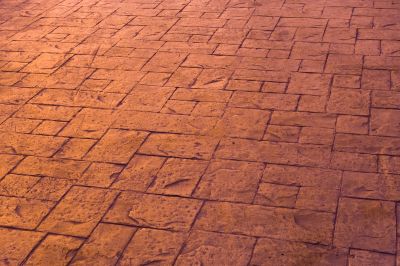
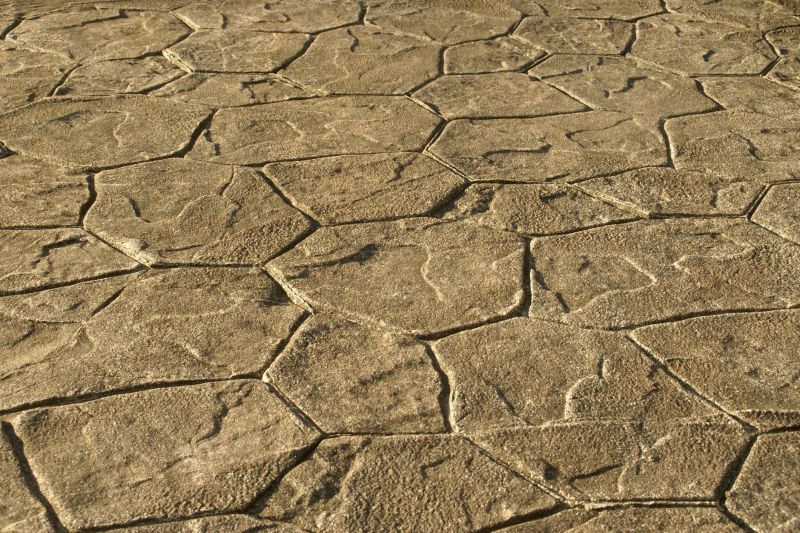
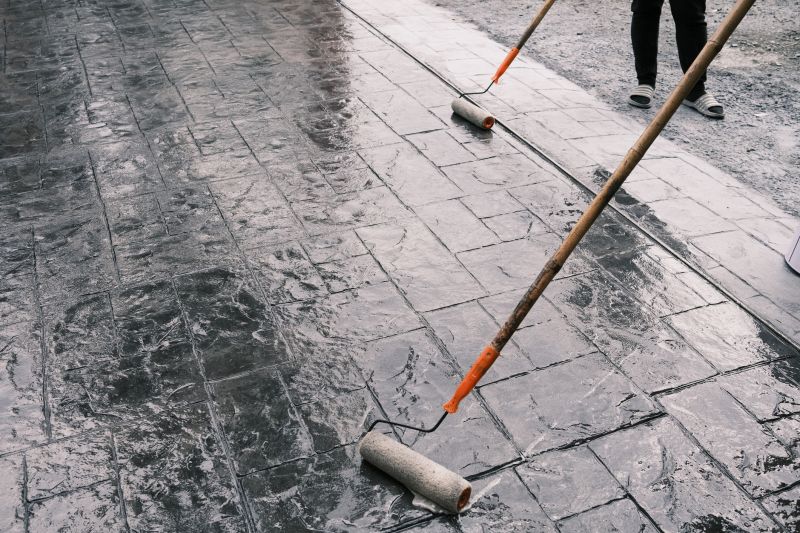
When people search for common causes of damage in commercial stamped concrete surfaces, they are usually trying to understand why their decorative concrete has begun to show signs of wear or deterioration. These surfaces are often chosen for their aesthetic appeal and durability in high-traffic areas such as storefronts, parking lots, walkways, and outdoor patios. However, despite their strength, stamped concrete can be susceptible to various types of damage over time. Recognizing the typical issues that lead to surface problems helps property owners plan for repairs and maintenance, and it highlights the importance of consulting experienced local contractors who specialize in stamped concrete repair.
Many problems associated with commercial stamped concrete surfaces stem from environmental factors and improper installation or maintenance. For example, exposure to freeze-thaw cycles can cause cracking and spalling, especially in regions with cold winters. Water infiltration is another common culprit, which can weaken the concrete and lead to surface pitting or scaling. Additionally, UV rays and weathering can cause the decorative overlays to fade or deteriorate if they are not sealed properly. Heavy equipment or vehicular traffic can also contribute to surface abrasion or cracking, particularly if the concrete was not designed to withstand such loads. Understanding these causes helps property owners anticipate potential issues and work with local service providers to implement protective measures.
Certain types of properties tend to experience specific kinds of damage due to their use and exposure. Commercial parking lots and drive-thrus are often vulnerable to cracking and surface deformation caused by constant vehicle movement and weight. Outdoor plazas and walkways may face surface erosion or staining from foot traffic, spills, or harsh weather conditions. Retail centers, restaurants, and industrial facilities with high foot or vehicle traffic are especially prone to surface wear, chipping, and color fading. Recognizing the property's unique characteristics and environmental exposure allows local contractors to recommend targeted repairs and protective treatments that extend the lifespan of the stamped concrete surface.
For property owners dealing with damaged commercial stamped concrete, connecting with experienced local contractors is a practical step toward restoring the surface’s appearance and functionality. These service providers understand the common causes of damage and can assess the extent of deterioration accurately. They offer solutions such as crack filling, surface cleaning, sealing, and overlay applications to address specific issues. Proper repair and maintenance not only improve the aesthetic appeal but also help prevent further damage, ensuring the concrete remains safe and durable for years to come. When damage occurs, engaging with local pros who specialize in stamped concrete repair can make a significant difference in restoring the integrity of the surface efficiently and effectively.
Commercial paving projects involve similar skills and tools used to repair damaged stamped concrete surfaces, especially when addressing surface cracks and wear caused by heavy traffic.
Concrete resurfacing services require planning and techniques comparable to stamped concrete repair, focusing on restoring surface integrity and appearance.
Industrial flooring installations utilize similar surface preparation and finishing methods, making them relevant for addressing damage issues in commercial stamped concrete.
Driveway and sidewalk repair projects often involve surface patching and sealing that align with the skills used in stamped concrete surface restoration.
Outdoor patio construction and decorative concrete work share planning and application methods, especially when addressing surface damage and wear.
Epoxy and sealant application services involve surface preparation and coating techniques that are essential for protecting stamped concrete surfaces from further damage.
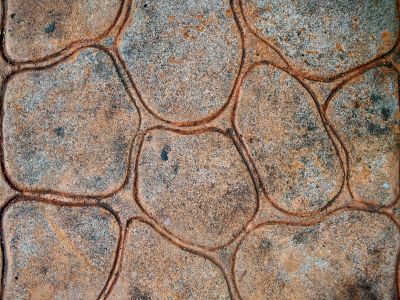
When comparing service providers for commercial stamped concrete repair, it is important to consider their experience with similar projects. Contractors who have handled repairs on surfaces affected by common causes of damage in commercial stamped concrete, such as cracking, spalling, or surface deterioration, are more likely to understand the specific challenges involved. An evaluation of their portfolio or references can provide insight into their familiarity with these issues and their ability to deliver quality results. Choosing a contractor with relevant experience helps ensure that the repair approach addresses the root causes of damage and results in a durable, long-lasting finish.
Clear, written expectations are essential when assessing potential service providers. A reputable contractor should be able to provide a detailed scope of work, outlining the repair methods, materials to be used, and the steps involved in restoring the stamped concrete surface. This transparency helps prevent misunderstandings and ensures that both parties are aligned on the project’s objectives. Proper documentation also allows for easier comparison between providers, making it simpler to identify who offers the most comprehensive and realistic approach to repairing damage caused by common issues such as moisture intrusion or improper installation.
Good communication is a key factor when selecting local contractors for stamped concrete repair services. Service providers who are responsive, willing to answer questions, and provide thorough explanations demonstrate professionalism and a commitment to customer understanding. Open dialogue facilitates the clarification of project details and expectations, which can help prevent surprises or miscommunications during the repair process. Contractors who prioritize clear communication are often better equipped to manage the project efficiently, address concerns promptly, and ensure that the repair work effectively mitigates the common causes of damage in commercial stamped concrete surfaces.
Property owners often search for common causes of damage in commercial stamped concrete surfaces when they are planning practical projects around their homes and businesses. Local pros provide Commercial Stamped Concrete Repair services for everyday jobs and straightforward project options.
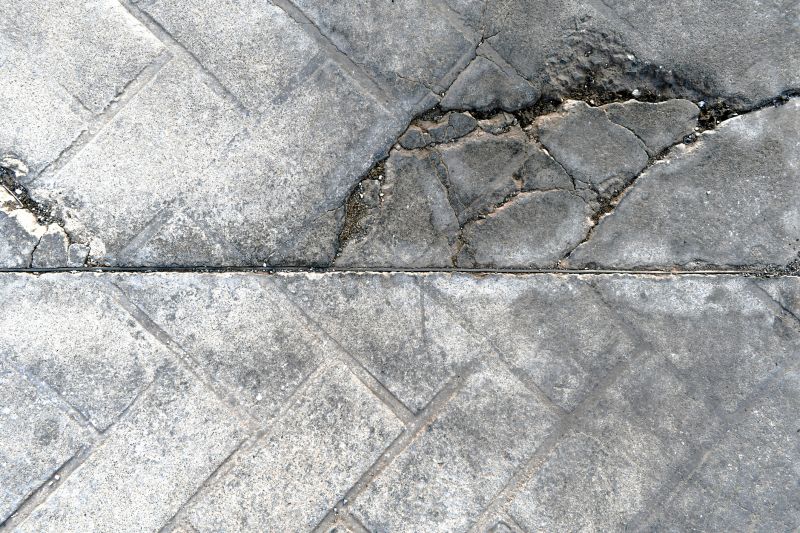
Understanding the common causes of damage in commercial stamped concrete surfaces can help property owners prevent costly repairs and maintain the appearance of their outdoor spaces. Everyday situations, such as heavy foot traffic, frequent vehicle movement, or exposure to harsh weather conditions, can lead to surface wear, cracking, or surface deterioration over time. Additionally, improper installation or inadequate sealing can leave stamped concrete vulnerable to staining, chipping, or surface erosion, making it more susceptible to damage from routine use or environmental factors.
When damage does occur, local contractors who specialize in stamped concrete repair can assess the extent of the issues and recommend effective solutions. Whether the damage stems from surface cracks, spalling, or staining, experienced service providers have the skills and tools to restore the integrity and visual appeal of stamped concrete surfaces. Property owners seeking reliable repair options can connect with local experts who understand the common causes of damage and can help keep outdoor areas durable and attractive.
What are common causes of damage in commercial stamped concrete surfaces? Common causes include exposure to harsh weather conditions, heavy loads, improper installation, and chemical spills, which can lead to cracking, spalling, or surface deterioration. Local contractors experienced in stamped concrete repair can assess and address these issues effectively.
How does weather affect stamped concrete surfaces? Freeze-thaw cycles, excessive moisture, and direct sunlight can cause expansion and contraction, leading to cracks and surface damage. Skilled service providers can implement protective measures to minimize weather-related harm.
Can heavy machinery or traffic cause damage to stamped concrete? Yes, heavy loads and constant traffic can cause surface cracking, sinking, or chipping. Local pros can evaluate the damage and recommend appropriate repair or reinforcement solutions.
What role do chemical spills play in damaging stamped concrete surfaces? Chemicals such as de-icing salts, oils, or acids can erode the surface and cause staining or deterioration. Professional repair services can remove stains and restore the integrity of the stamped concrete.
How can improper installation lead to damage in stamped concrete surfaces? Poor subgrade preparation, inadequate curing, or incorrect stamping techniques can result in early cracking and surface flaws. Experienced local contractors can identify installation issues and perform necessary repairs to prolong surface lifespan.
Heavy equipment placement - improper placement of heavy machinery can cause cracking and surface damage, making it important to work with local contractors who can advise on proper load distribution.
Exposure to harsh chemicals - spills of de-icing salts, oils, or cleaning agents can deteriorate stamped concrete surfaces, so property owners should seek professionals to recommend protective treatments.
Poor installation practices - inadequate surface preparation or finishing can lead to early damage, highlighting the value of experienced local service providers for quality installation and repairs.
Extreme weather conditions - freeze-thaw cycles and temperature fluctuations can cause surface cracking, emphasizing the need for local pros to assess and address weather-related damage.
If you are thinking about common causes of damage in commercial stamped concrete surfaces for a property, this guide is meant to help you understand this topic, the typical project types, and how different options might fit your plans.
When you are ready, you can use the quote form on this page to share a few details about your project. From there, local pros can review the basics and follow up with options that match what you have in mind.